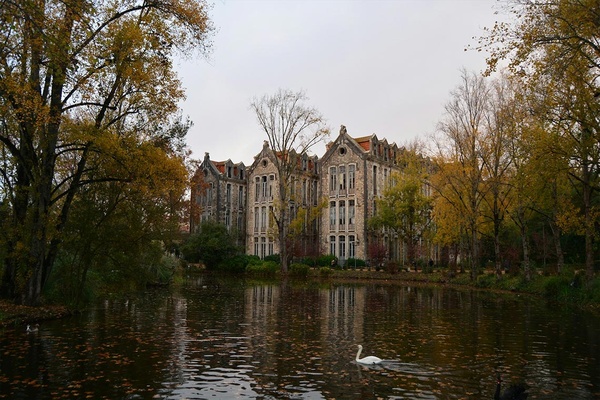
Medieval Village of Óbidos
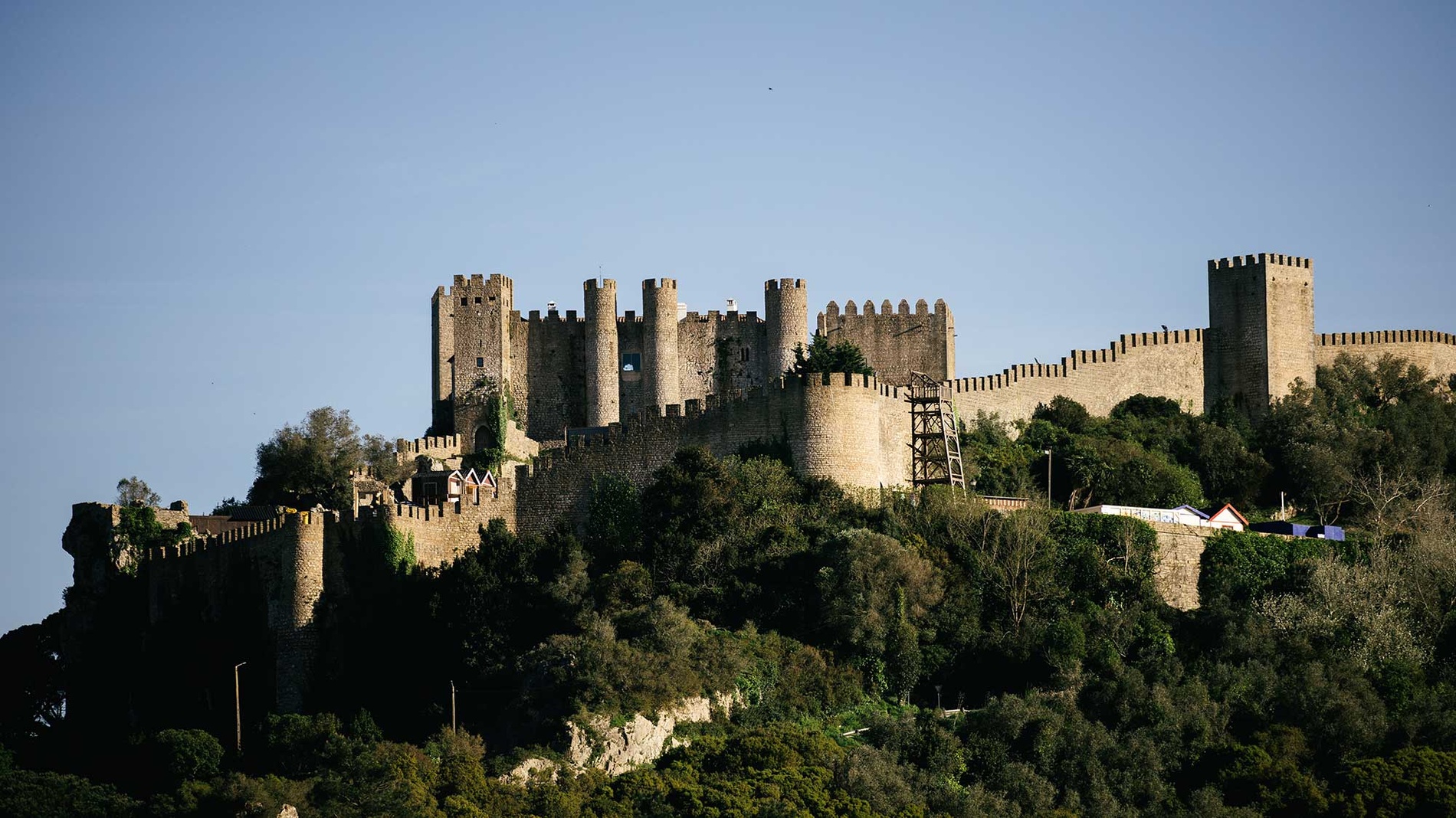
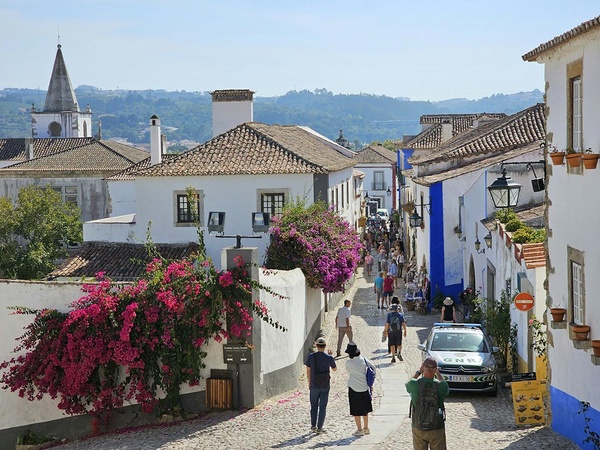
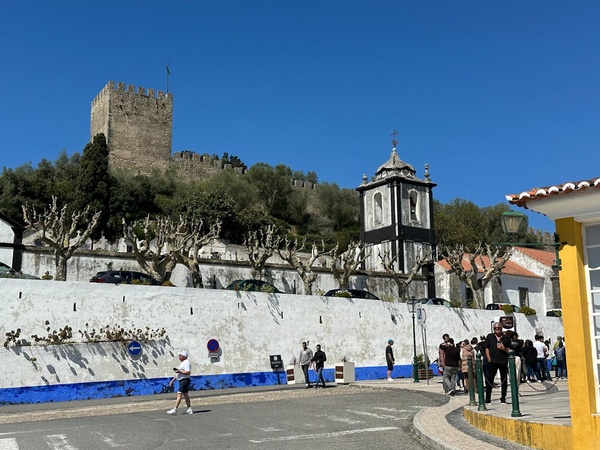
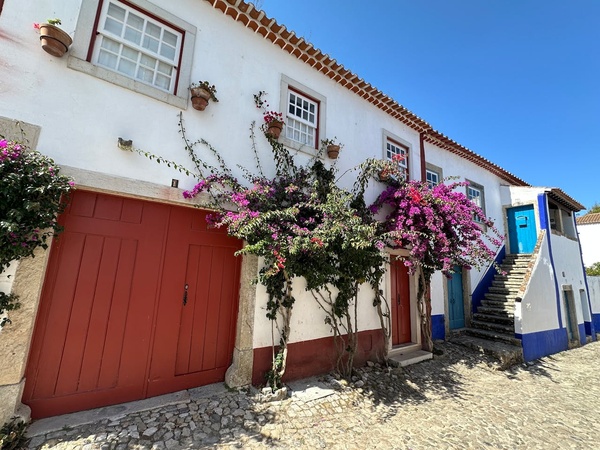
With Roman origins and fortified in the Middle Ages, it maintains an authentic and intimate historical atmosphere to this day. Strolling through Óbidos is to dive into the past: between ancient gates, churches, small shops, and corners full of character, the village reveals a strong cultural identity. Beyond its historical heritage, Óbidos is also the stage for cultural events throughout the year, such as literary festivals, medieval markets, and exhibitions, making it a vibrant and dynamic destination.
Usseira Aqueduct
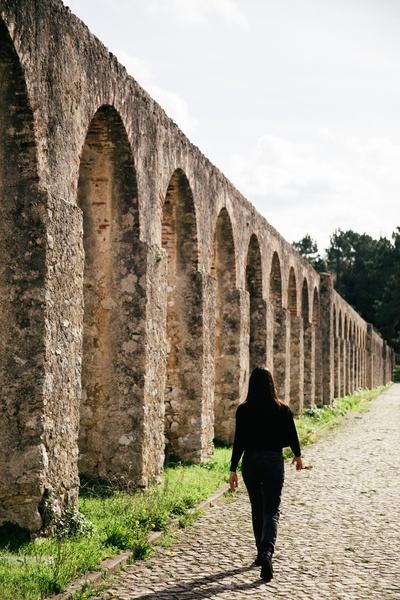
&Tales Suites is located next to the Usseira aqueduct. The Usseira Aqueduct is one of the most striking historical structures in Óbidos, built in the 16th century to ensure the water supply to the town. Commissioned by Queen Catherine of Austria, this aqueduct stretches for about 3 kilometers, connecting the Usseira spring to the town center. With its elegant stone arches, it integrates harmoniously into the surrounding rural landscape, creating a peaceful setting full of character.
Castles
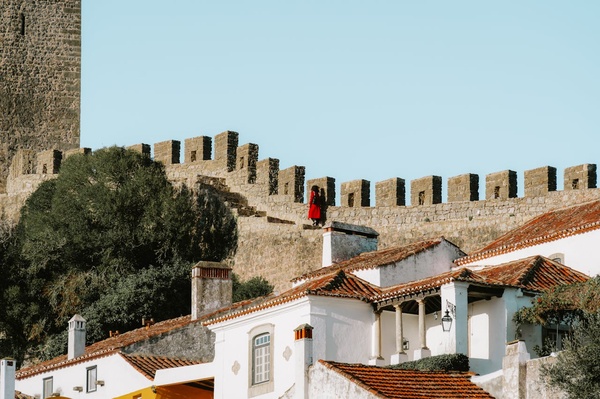
The Castle of Óbidos is the main protagonist and the heart of our medieval village, perfect for romantic walks on the walls at sunset.
If you want to extend this journey through time to neighboring towns, the surrounding area hides other treasures: the Castle of Peniche, an imposing fortress overlooking the legends of the sea, the Castle of Torres Vedras, and the Castle of Lourinhã.
Churches and monasteries
The Church of Santa Maria is the great religious treasure of our medieval town of Óbidos, famous for its artistic beauty and unique history.
If you wish to expand this itinerary of faith and art through the surrounding towns, they also hold impressive monuments: the monumental Monastery of Alcobaça, a World Heritage site and home to the tombs of D. Pedro and D. Inês, the historic Mother Church of São Martinho, and the welcoming Church of São Sebastião, in Peniche.
Museums and cultural heritage
The Óbidos Municipal Museum invites you to enter the heart of our cultural identity, revealing centuries of art and fascinating stories kept within the village.
Afterwards, you can easily extend your cultural itinerary to the neighboring cities, where you will find the impressive journey back to the time of the dinosaurs at the Lourinhã Museum, the immersion in the rich maritime traditions of the Nazaré Museum, and, in Peniche, the spectacular crossing to the isolated and historic Fort of São João Baptista, in the heart of the Berlengas Nature Reserve.
Historical points linked to nature
The Sanctuary of Senhor Jesus da Pedra is the major historical point of interest at the gates of Óbidos, where imposing architecture coexists in perfect harmony with the serenity of nature. For those looking to extend the day with a trip along the coast, the region serves as an excellent base for exploring the coastline.
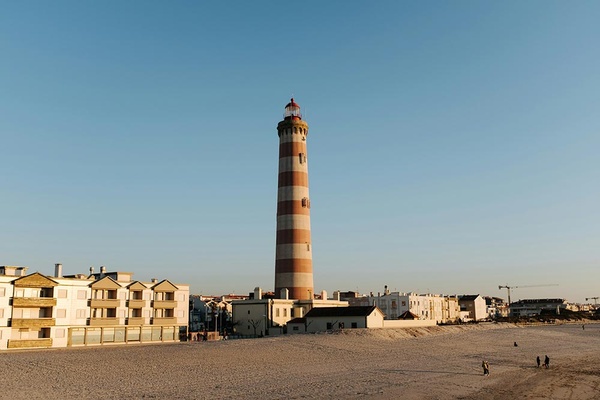
The route takes us to the dramatic São Pedro de Moel Lighthouse, a striking example of the imposing lighthouses and stone sentinels that outline the Western Line, connecting historical heritage to the immensity of the Atlantic.
Beaches and lagoons
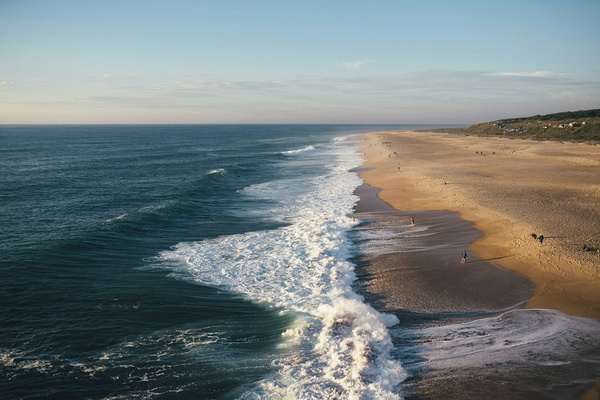
Óbidos is the ideal starting point for exploring the coast. Choose your destination:
Tranquil (In Óbidos / Caldas): Lagoa de Óbidos, Foz do Arelho (sea + lagoon) and Praia do Bom Sucesso (calm and nature).
Surf & Nature (Peniche / Baleal): Baleal (relaxed vibe and sunsets), Praia dos Supertubos (elite waves) and Praia da Consolação (to relax).
Classic (Nazaré / São Martinho): Praia da Nazaré (iconic and lively), São Martinho do Porto (calm shell-shaped bay) and Praia do Salgado (wild and less touristy).
Wild (Lourinhã / Torres Vedras): Praia da Peralta, Praia de Porto Dinheiro and Santa Cruz.
Caldas da Rainha
Caldas da Rainha is just a few minutes from Óbidos. Discover what to visit:
Museums: José Malhoa Museum, Ceramics Museum and the Cultural and Congress Centre.
Gardens and Green Spaces: D. Carlos I Park, Amor de Perdição Garden and Praça 5 de Outubro Garden.
Monuments and Heritage: Church of Nossa Senhora do Pópulo, Luminous Fountain and Thermal Baths, and the historic Queen D. Leonor Thermal Hospital.
Market and Commerce: Municipal Market and the shops of the traditional Rua Direita.